3D Floral Love Multilayered Heart Design Guide
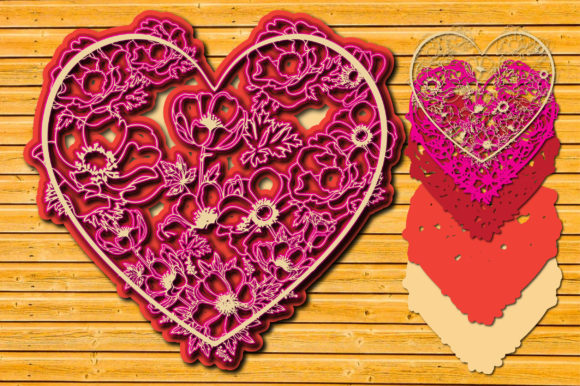
The intersection of organic beauty and geometric precision is where modern design truly thrives. A 3D Floral Love Multilayered Heart represents more than just a romantic symbol; it is a complex study in depth, texture, and emotional resonance. For creators working across digital and physical mediums, this specific motif offers a versatile foundation. Unlike flat vector icons that can feel sterile, a multilayered approach introduces shadow, dimension, and a tactile quality that draws the viewer in. When you access high-quality source files, such as the original images without watermarks and no background available in SVG and AI formats, you unlock the ability to manipulate every petal and curve to suit your specific project needs.
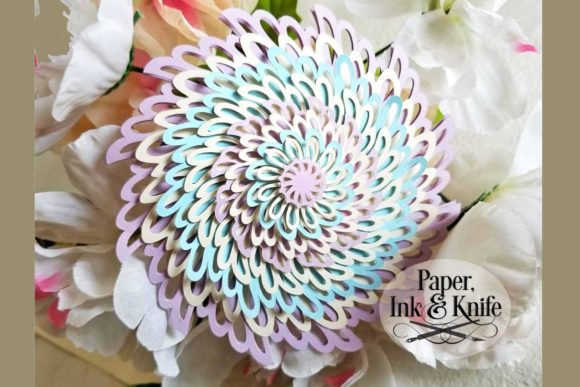
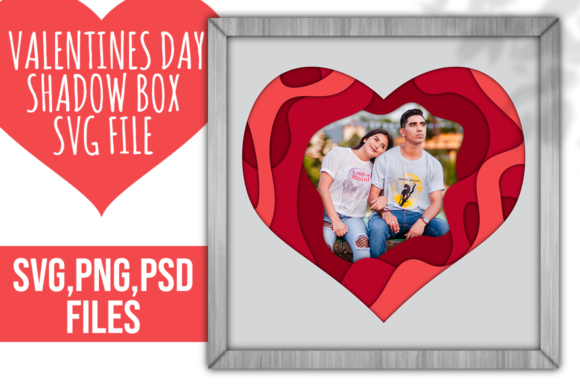
Understanding the utility of this asset begins with recognizing its structural advantages. The term "multilayered" implies that the design is not a single merged shape but a composition of distinct elements stacked to create an illusion of three-dimensionality. This structure is crucial for crafters using cutting machines, as it allows for the creation of paper shadows boxes or vinyl decals with varying opacities. For digital designers, these separate layers mean you can animate individual flowers blooming from the heart or adjust the color grading of specific petals to match a brand palette without losing the integrity of the overall shape.
Unlocking Creative Possibilities with Vector Precision
The true power of this design lies in the file formats provided. Receiving the set in SVG vector files and Ai (Adobe Illustrator) formats ensures unlimited resizing with no quality loss. This technical specification is vital for professionals who need to scale a design from a small social media avatar to a large-format trade show banner. Raster images often pixelate when enlarged, ruining the crisp edges required for professional printing. Vectors, however, rely on mathematical paths, ensuring that the delicate details of the floral elements remain sharp regardless of the output size.
Consider the workflow of a small business owner creating packaging for a Valentine's Day product line. Using the AI file, they can isolate specific floral components to create a repeating pattern for wrapping paper while keeping the central heart motif for the box lid. The ability to edit anchor points and bezier curves allows for customization that pre-rendered PNGs simply cannot offer. You might decide to simplify the design for a minimalist aesthetic by removing outer layers or exaggerate the 3D effect by duplicating layers and offsetting them slightly to create a deeper shadow.
Practical Applications Across Industries
Different sectors can leverage the 3D Floral Love Multilayered Heart in unique ways. Here is how various professionals can adapt this asset:
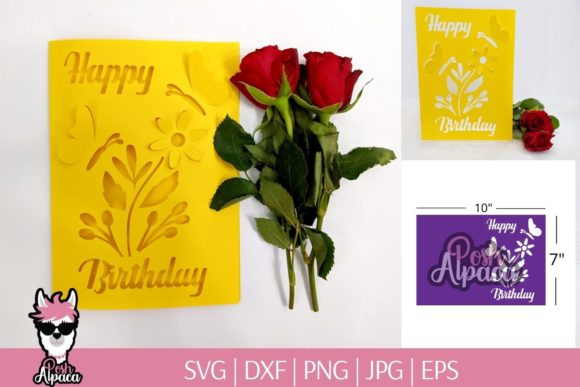
- Greeting Card Designers: Utilize the layered structure to create pop-up cards where the heart rises from the page when opened. The SVG format is compatible with most die-cutting software, allowing for precise scoring and folding lines.
- Wedding Planners and Stationers: Incorporate the motif into invitations, save-the-dates, and menu cards. The floral elements add a soft, romantic touch that appeals to couples seeking a balance between modern geometry and traditional romance.
- Apparel Merchants: Use the vector paths to generate heat transfer vinyl (HTV) cuts. The clean lines ensure that intricate flower details do not weed poorly, resulting in a durable and professional-looking print on t-shirts or tote bags.
- Digital Marketers: Animate the layers for social media stories or website headers. A subtle rotation or scaling of the inner floral layers can create a mesmerizing loop that captures attention without being distracting.
- Educators and Workshop Leaders: Use the design as a teaching tool for layering techniques in graphic design classes or as a template for paper crafting workshops focused on depth and perspective.
Adapting Styles for Different Audiences
One size does not fit all in design. The beauty of having the original, editable files is the capacity to shift the style to match your target demographic. For a younger audience, you might experiment with vibrant, non-traditional color palettes—think neon pinks against deep purples—to give the 3D Floral Love Multilayered Heart a contemporary, edgy feel. Conversely, for a luxury brand, sticking to monochromatic schemes like gold foil on black or embossed white on cream can elevate the perceived value of the product.
Context also dictates how you should present the image. On a website, loading times are critical. While vectors are lightweight, if you are exporting previews, ensure you optimize the rasterized versions. For print contexts, always work in CMYK color mode within your AI file to ensure color accuracy before sending to press. The absence of a background in the source files is particularly beneficial here, as it allows you to place the heart seamlessly over textured papers, gradients, or photographic backgrounds without awkward white halos.
Maintaining Consistency and Originality
When integrating stock assets into a larger body of work, consistency is key. If you are building a brand identity around this heart motif, establish rules for how it is used. Decide on a standard set of colors, a minimum clear space around the graphic, and specific ways the layers should interact. This prevents the design from looking disjointed across different platforms.
To keep your results original, avoid using the asset exactly as downloaded. Even small tweaks can make a significant difference. Try rotating the floral arrangement, swapping the flower types if the vector nodes allow, or combining the heart with typography in a unique layout. The goal is to make the asset feel bespoke to your project. Remember, the file is a starting point, not the final destination. Your creative input transforms a generic vector into a signature element of your visual language.
Furthermore, organization within your design files ensures long-term usability. Name your layers logically in the AI file (e.g., "Base Heart," "Front Petals," "Shadow Layer"). This practice saves hours of frustration when you need to make quick adjustments months down the line. It also facilitates collaboration if you are handing off files to a printer or another designer.
Maximizing Value Through Versatility
The investment in high-quality vector assets pays dividends through their longevity and adaptability. A 3D Floral Love Multilayered Heart is not limited to February campaigns. Themes of love, growth, and nature are perennial. You can repurpose the design for anniversaries, Mother's Day, or even as a logo mark for a florist or relationship counselor. The floral aspect bridges the gap between the abstract concept of love and the tangible beauty of nature, making it universally appealing.
For freelancers and entrepreneurs, time is money. Starting with a professionally crafted base allows you to focus on strategy and execution rather than spending hours drawing complex vectors from scratch. The assurance of receiving unlimited resizing capabilities means you never have to worry about a client asking for a larger format than you anticipated. You are equipped to handle any request, from a tiny favicon to a billboard.
In conclusion, the 3D Floral Love Multilayered Heart is a robust tool for the modern creator. Its value extends beyond its aesthetic appeal; it lies in its structural flexibility and the professional quality of its delivery formats. By understanding how to manipulate the layers, adapt the styles, and integrate the design into diverse contexts, you can produce work that is both visually stunning and strategically effective. Whether you are cutting vinyl, designing a website, or printing luxury stationery, this asset provides the solid foundation needed to build something truly memorable.