Elevating Digital Design: The Strategic Value of 3D Layered Yoga Vector Assets
In the rapidly evolving landscape of digital creativity, the demand for versatile, high-quality assets has never been more critical. For professionals ranging from graphic designers and marketers to entrepreneurs launching wellness brands, the tools chosen to convey a message can define the success of a project. Among the most significant developments in recent years is the rise of the 3D Layered Yoga Cut File Vector. This is not merely a collection of images; it represents a shift in how creators approach depth, dimension, and storytelling in both physical and digital mediums. Understanding the utility and context of these assets is essential for anyone looking to stay ahead in the competitive creative industry.
Redefining Depth in Flat Design
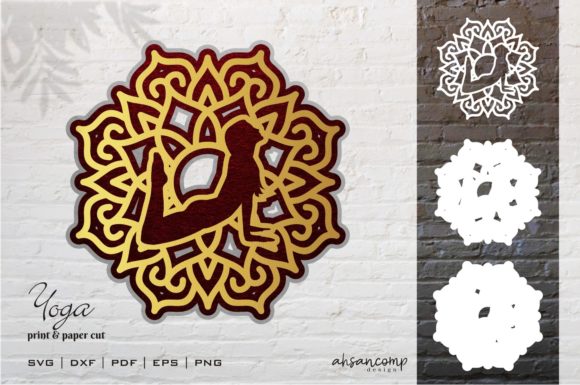
Traditionally, vector graphics have been celebrated for their scalability and clean lines, yet they often lacked the perceived depth that raster images or 3D renders could provide. The 3D Layered Yoga Cut File Vector bridges this gap by utilizing a sophisticated layering technique. Instead of a single flat silhouette, these designs are constructed from multiple distinct layers, each representing a different plane of the image. When assembled—whether digitally in design software or physically through cutting machines like Cricut or Silhouette—these layers create a convincing illusion of three-dimensionality.
This approach aligns perfectly with current consumer preferences for tactile and immersive experiences. In a world saturated with flat, two-dimensional content on screens, audiences are increasingly drawn to visuals that offer texture and depth. For the modern creator, this means moving beyond simple icons to produce work that feels substantial and engaging. The layered structure allows for intricate shadowing, color gradients, and dimensional effects that static files simply cannot achieve, making it a powerful tool for branding and artistic expression.
The Intersection of Wellness Trends and Digital Commerce
The popularity of yoga-themed imagery is no accident; it mirrors the massive global expansion of the wellness industry. From boutique fitness studios to online mindfulness apps, the visual language of yoga has become synonymous with balance, health, and lifestyle aspiration. However, as the market becomes more crowded, generic clip art no longer suffices. Brands and creators need unique, high-fidelity assets that stand out. This is where the specific utility of a 3D Layered Yoga Cut File Vector becomes apparent.
Entrepreneurs and marketers are leveraging these files to create premium merchandise, such as layered paper wall art for yoga studios, dimensional t-shirt designs, and sophisticated logo variations for wellness apps. The ability to manipulate individual layers means that a single asset can be adapted for countless applications. A marketer might use the base layer for a subtle watermark on social media while utilizing the full stacked effect for a striking billboard or packaging design. This flexibility addresses the changing needs of businesses that require a cohesive visual identity across diverse platforms without the cost of commissioning custom illustrations for every single use case.
Workflow Efficiency and Technical Versatility
Beyond the aesthetic advantages, the technical format of these assets speaks directly to the workflow requirements of modern professionals. The standard delivery of such assets typically includes a comprehensive suite of file formats, ensuring compatibility with virtually any software ecosystem. When you acquire a 3D Layered Yoga Cut File Vector, you are usually receiving a compressed ZIP file containing EPS, PNG, PDF, SVG, and DXF formats. Each format serves a distinct purpose in the professional toolkit.
The SVG and DXF files are indispensable for those using computer-controlled cutting machines, allowing for precise separation of layers to create physical 3D paper crafts or vinyl decals. Meanwhile, the EPS and PDF files cater to vector-based editing software like Adobe Illustrator or CorelDRAW, enabling infinite scalability for print media without loss of quality. The inclusion of a PNG file with a transparent background offers immediate usability for web designers and social media managers who need drag-and-drop functionality without the need for complex editing. This all-in-one approach streamlines the production process, reducing the time spent on file conversion and allowing creators to focus on execution and strategy.
Adapting to the Maker Economy
The surge in the "maker economy" has fundamentally changed how digital goods are consumed. Hobbyists and small business owners are increasingly turning to digital downloads to fuel their enterprises. It is crucial to understand that when purchasing a 3D Layered Yoga Cut File Vector, this is a DIGITAL DOWNLOAD of files. No physical items will be sent to you. Any backgrounds, logos, mock-ups, photos, framed, or cut images seen in previews are for illustration purposes only. This distinction is vital for managing expectations and understanding the nature of the transaction.
This digital-first model empowers users to take full control of the production process. Whether a freelancer is creating custom invitations for a yoga retreat or an entrepreneur is launching a line of wellness-themed home decor, the digital file acts as the blueprint. The user decides the material, the scale, and the final finish. This level of customization was previously unavailable with traditional stock photography or pre-printed goods, marking a significant shift in consumer power and creative autonomy.
Future-Proofing Creative Assets
As technology advances, the line between digital and physical continues to blur. Augmented reality (AR) and interactive web design are becoming standard expectations rather than novelties. Layered vector assets are uniquely positioned to thrive in this environment because their structural data is already organized for interaction. Developers and interactive designers can isolate specific layers to create animations or responsive elements that react to user input. For instance, a yoga app could use the separated layers of a pose to demonstrate movement progression, offering a dynamic educational tool that static images cannot match.
Furthermore, the sustainability aspect of digital assets cannot be overlooked. By utilizing digital downloads, creators reduce the waste associated with physical prototyping and shipping. Designs can be tested, modified, and perfected in the digital realm before any physical materials are committed. This aligns with the growing corporate and consumer demand for environmentally responsible business practices.
Practical Applications Across Industries
The versatility of the 3D Layered Yoga Cut File Vector extends far beyond the wellness sector. In the education industry, these files can be used to create engaging anatomical diagrams that show muscle engagement in various poses. In the fashion industry, designers can utilize the layers to create complex embroidery patterns or fabric prints that mimic depth. Even in the tech sector, UI/UX designers can incorporate these dimensional elements to add warmth and humanity to sterile interfaces.
Consider a marketing campaign for a new athletic wear line. Using the layered vector, the design team can produce a series of ads where the yoga figure appears to pop out of the screen, capturing attention in a crowded social media feed. Simultaneously, the same file can be sent to a manufacturer to create a textured logo for the clothing tag. This consistency across touchpoints strengthens brand recognition and enhances the overall customer experience.
Conclusion: Investing in Quality and Flexibility
The shift towards detailed, layered vector assets reflects a broader maturation of the digital design industry. Creators are no longer satisfied with one-size-fits-all solutions; they demand tools that offer precision, flexibility, and the capacity for innovation. The 3D Layered Yoga Cut File Vector exemplifies this new standard, providing a robust foundation for projects that require both aesthetic beauty and technical functionality.
For professionals navigating this landscape, the choice of assets is a strategic decision. By integrating high-quality, multi-format layered files into their workflows, designers and businesses can ensure their output remains relevant, engaging, and adaptable to future trends. As the market continues to evolve, those who embrace these versatile tools will find themselves better equipped to meet the changing expectations of their audiences.
Included in this digital download are the following files to ensure maximum compatibility and ease of use: an EPS file for professional vector editing, a PNG file on a transparent background for immediate web use, a PDF file for universal viewing and printing, an SVG file for scalable web graphics and cutting machines, and a DXF file for CAD and specialized cutting software. These files will be delivered in a ZIP file format and will need extracting before use.
Thank you for taking the time to view my design illustrations. The intersection of art, technology, and wellness offers endless possibilities for those willing to explore it. If you have any questions regarding the usage, compatibility, or potential applications of these files, please contact me; I will be happy to help you unlock the full potential of your creative projects.