Exploring the Depth and Detail of 3D Layered SVG Honey Bee 1 Designs
The intersection of digital design and physical crafting has created a vibrant ecosystem where hobbyists, educators, and small business owners can produce professional-grade artwork from their homes. At the forefront of this movement is the utilization of multi-layered vector files, specifically designed to create depth and dimension when cut from paper, cardstock, or vinyl. A prime example of this evolving craft trend is the 3d Layered SVG. Honey Bee 1, a design that encapsulates the complexity of nature through precise digital layering. Understanding how these files function, their compatibility with various machines, and their potential applications provides valuable insight for anyone looking to elevate their creative projects.
The Mechanics of Multilayered Vector Art
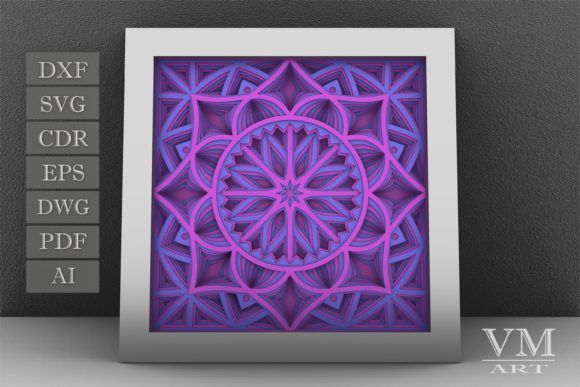
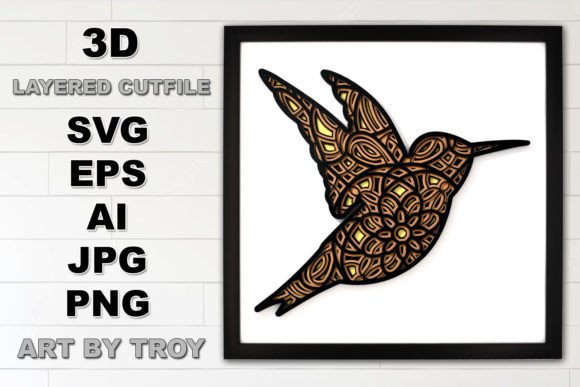
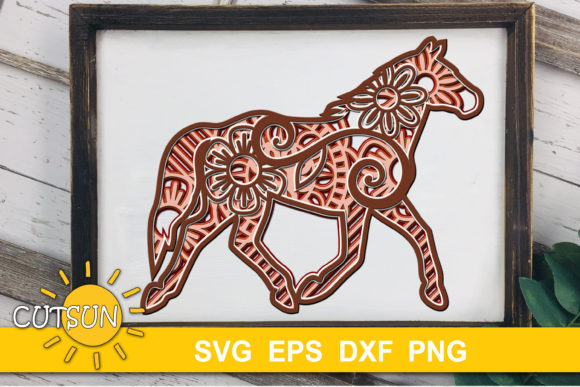
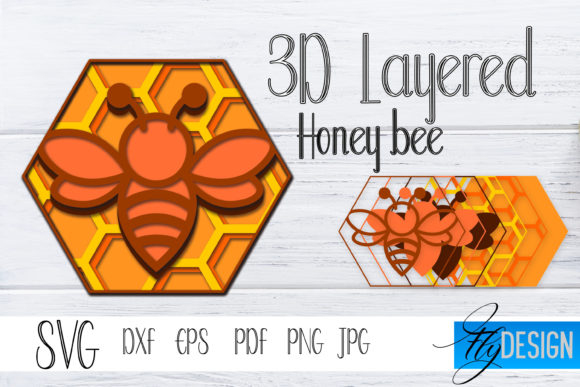
To appreciate the value of a file like the 3d Layered SVG. Honey Bee 1, one must first understand the mechanics behind multilayered SVG designs. Unlike a standard two-dimensional image, a 3D layered cut file is composed of several distinct vector paths, each representing a different plane of the final image. When these layers are cut from material and stacked upon one another, often with adhesive foam spacers in between, they create a shadowbox effect. This technique mimics the look of hand-carved relief or intricate papercutting, adding a tactile quality that flat prints cannot achieve.
The "Honey Bee 1" designation suggests a specific iteration within a series, likely focusing on the anatomical details of the bee, such as the segmentation of the abdomen, the transparency of the wings, and the texture of the thorax. In a high-quality 3D SVG file, these elements are separated into individual layers. The base layer might contain the darkest shadows and the outline, while subsequent layers add mid-tones, highlights, and fine details. This separation allows the crafter to use different shades of the same color or entirely different materials to enhance the visual depth. For instance, using a translucent vellum for the wing layers against a solid cardstock body can realistically simulate the delicate nature of a bee's flight apparatus.
File Formats and Technical Compatibility
For creators utilizing cutting machines, the versatility of file formats is paramount. A comprehensive digital product, such as the one described in the 3d Layered Cut File category, typically includes a zip archive containing multiple file types to ensure broad compatibility. The inclusion of an SVG file is essential for users of web-based or modern cutting software like Cricut Design Space and Silhouette Studio. SVG (Scalable Vector Graphics) retains its resolution regardless of scaling, ensuring that the intricate details of the honey bee design remain crisp whether the project is scaled down for a greeting card or enlarged for a wall display.
However, not all crafters use the same ecosystem. Professionals in the signage or textile industry often rely on older or specialized software that requires EPS (Encapsulated PostScript) or DXF (Drawing Exchange Format) files. The EPS format is particularly robust for Adobe Illustrator users who may wish to modify the vector paths before cutting. Meanwhile, the DXF format serves as a universal bridge for various CAD and cutting programs. By providing these variations, a Multilayered SVG package ensures that the design is accessible to a wide range of users, from the casual home crafter to the professional graphic designer.
Additionally, the inclusion of a PNG transparent file addresses a different segment of the maker community: those focused on sublimation printing. While the layered aspect is lost in a raster image, a high-resolution PNG allows users to print the design directly onto substrates like mugs, t-shirts, or tote bags without the need for cutting. This dual-purpose approach maximizes the utility of the digital asset, allowing a single purchase to fuel both papercrafting and heat-transfer projects.
Practical Applications Across Industries
The utility of a 3D Layered Shadowbox design extends far beyond simple decoration. Educators, for example, can utilize these files to create engaging visual aids. A biology teacher might use the 3d Layered SVG. Honey Bee 1 to construct a large-scale model demonstrating the anatomy of an insect. By assigning different colors to different layers, students can visually distinguish between the head, thorax, and abdomen, making abstract biological concepts tangible and memorable. This hands-on approach to learning leverages the precision of digital cutting to create durable educational tools.
In the realm of event planning and interior design, these files offer a cost-effective solution for custom decor. Wedding planners often seek unique centerpieces or backdrop elements that reflect a specific theme. A nature-inspired wedding could feature dozens of these honey bee shadowboxes arranged in a cluster, creating a dynamic focal point that changes appearance as viewers move around it. The ability to customize the color palette by selecting specific cardstock shades for each layer allows for seamless integration with any event's color scheme.
Small business owners selling handmade goods on platforms like Etsy or at local craft fairs also benefit significantly from Paper Cut Crafting Design files. The perceived value of a 3D paper art piece is substantially higher than that of a flat print. By investing in a high-quality digital file, artisans can produce limited edition art pieces, framed wall decor, or intricate gift tags. The time saved by using a pre-designed, tested vector file allows the creator to focus on the assembly and finishing touches, thereby increasing production efficiency without sacrificing quality.
Workflow and Assembly Considerations
Successfully executing a project with a 3d Layered Cut File requires attention to detail during both the cutting and assembly phases. Before sending the file to the machine, it is crucial to verify that the cutting software correctly interprets the layers. In many cases, the layers in the SVG file are color-coded to represent different materials or cutting sequences. Users must ensure their machine settings—such as blade depth, pressure, and speed—are appropriate for the chosen material. Cardstock, which is commonly used for shadowboxes, varies in weight; a 65lb cardstock behaves differently than an 80lb cover stock, and test cuts are recommended to prevent tearing or incomplete cuts.
Once the pieces are cut, the assembly process transforms the flat components into a three-dimensional object. This stage often involves the use of foam adhesive squares or double-sided tape with thickness. The spacing between layers is critical; too little space results in a flat appearance, while too much can make the structure unstable or cast unwanted shadows that obscure the design. For the Honey bee 1 Layered SVG Design, careful alignment is necessary to ensure the stripes of the abdomen and the vein patterns on the wings line up perfectly across all tiers. Patience and precision tools, such as tweezers and bone folders, are invaluable during this phase.
Furthermore, framing plays a significant role in the final presentation of a 3D SVG project. Deep-set frames, often referred to as shadowbox frames, are required to accommodate the depth of the stacked layers. When selecting a frame, one must consider the glass or acrylic front; anti-reflective glass can enhance the visibility of the lower layers, while standard glass might create glare that diminishes the 3D effect. Some creators opt to leave the background of the frame open or add LED lighting strips behind the layers to illuminate the cutouts, adding a dramatic flair to the finished piece.
Material Selection and Creative Variations
While cardstock is the traditional medium for Multilayered SVG projects, creative experimentation with materials can yield stunning results. Metallic papers can add a luxurious sheen to the honey bee's wings, while textured papers can mimic the fuzzy appearance of the bee's body. Advanced crafters might even combine paper with other media, such as embedding small gems for eyes or using resin to coat certain layers for a glossy finish. The digital nature of the 3d Layered SVG. Honey Bee 1 file means that the design is merely a template; the ultimate aesthetic is determined by the creator's material choices.
For those interested in Sublimation Print applications, the PNG file included in the archive offers a pathway to different textures. Sublimating the design onto wood slices or slate tiles can create a rustic, permanent version of the honey bee motif. Although this method does not provide physical depth, the high-definition print quality captures the nuances of the vector art, making it suitable for items that undergo frequent handling or washing, such as coasters or apparel.
Ensuring Long-Term Usability and Support
When acquiring digital assets, the reliability of the source is as important as the quality of the design. Reputable creators often provide comprehensive support to ensure customer satisfaction. If a user encounters issues with file compatibility or needs clarification on layer ordering, the ability to message the seller is a crucial feature. This direct line of communication fosters trust and helps resolve technical hurdles quickly. Additionally, following a creator allows customers to stay updated on future releases, building a library of compatible designs that can be mixed and matched for larger installations.
The longevity of a digital file also depends on its organization. A well-structured zip archive with clearly named files reduces confusion and streamlines the workflow. Whether the user is a seasoned professional or a novice hobbyist, clear documentation and organized assets contribute to a smoother creative experience. The inclusion of a PDF file, often containing terms of use or assembly instructions, further adds value by guiding the user through best practices and licensing limitations.
In conclusion, the 3d Layered SVG. Honey Bee 1 represents more than just a digital download; it is a versatile tool that bridges the gap between virtual design and physical artistry. Its applications span education, decor, and commerce, offering endless possibilities for customization. By understanding the technical requirements, mastering the assembly workflow, and experimenting with diverse materials, creators can unlock the full potential of these intricate designs. As the crafting community continues to evolve, the demand for high-quality, multi-format digital assets will remain strong, driving innovation in how we create and interact with handmade objects.