Mastering Spooky Storytelling: The Impact of 3D Witch Design with Pointing Finger in Digital Media
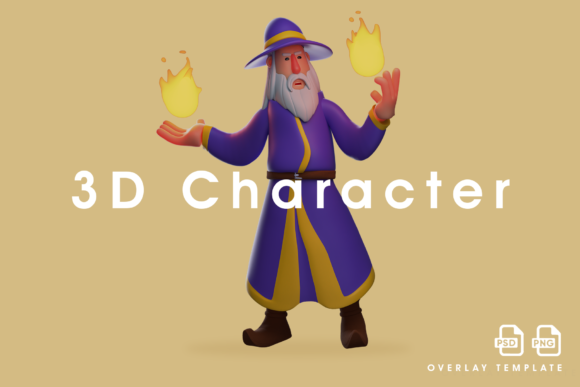
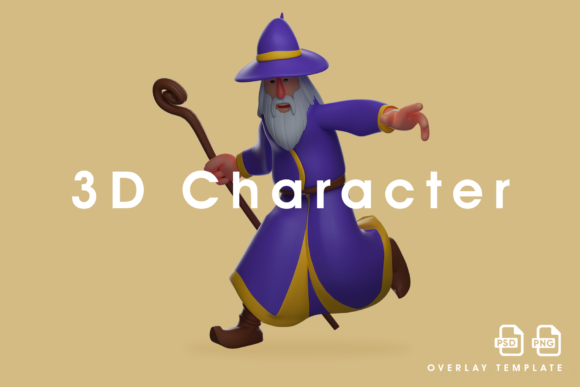
The landscape of digital illustration has shifted dramatically over the last decade, moving from flat, two-dimensional assets to immersive, volumetric experiences. Within this evolution, character design plays a pivotal role in capturing audience attention, particularly during seasonal campaigns like Halloween. Among the myriad of character archetypes available to creators, the 3D Witch Design with Pointing Finger stands out as a uniquely versatile asset. This specific pose is not merely a decorative element; it is a functional tool for direction, engagement, and narrative focus. By integrating high-resolution, transparent background PNGs of such characters into workflows, professionals across various industries can elevate their visual communication strategies.
The Psychology of Directional Gestures in Visual Composition
Human psychology is hardwired to follow the gaze and gestures of others. When a viewer encounters an image of a person—or a stylized character—pointing, their eyes instinctively travel in that direction. This phenomenon, known as social referencing, makes the 3D Witch Design with Pointing Finger an incredibly powerful compositional device. In marketing materials, educational slides, or website banners, this gesture serves as a natural arrow, guiding the user's attention to call-to-action buttons, key headlines, or promotional offers without the need for intrusive graphical arrows.
Unlike static geometric shapes, a character adds emotional context to the direction. A witch pointing implies mystery, magic, or a playful warning, depending on the surrounding design elements. This duality allows designers to maintain brand personality while achieving functional layout goals. For instance, a retail business running a Halloween sale can use this asset to point directly at a "Shop Now" button, creating a seamless visual flow that feels organic rather than forced. The high resolution of modern assets, often reaching dimensions like 5760×3240 pixels, ensures that this guidance remains crisp and clear regardless of the display size, from mobile screens to large-format prints.
Technical Advantages of High-Resolution Transparent Assets
The utility of any digital asset is heavily dependent on its technical specifications. The shift toward providing transparent background PNG files has revolutionized how creators integrate 3D models into existing projects. When working with a 3D Witch Design, the absence of a bounding box or white background allows for infinite flexibility. Designers can place the character over complex textures, gradient backgrounds, or photographic images without worrying about awkward edges or color mismatches.
Furthermore, the availability of ultra-high-definition files, such as those measuring 5760×3240 pixels, addresses the growing demand for retina-ready and 4K content. In the past, scaling up a smaller image resulted in pixelation and loss of detail, which could undermine the professional quality of a project. With native 4K+ resolutions, the intricate details of the witch's costume, the texture of her hat, and the nuance of her expression remain sharp even when cropped or zoomed. This level of fidelity is crucial for print media, where DPI requirements are stringent, as well as for large digital displays in retail environments or conference presentations.
Workflow Efficiency for Content Creators
For hobbyists and professional designers alike, time is a critical resource. Sourcing or creating custom 3D renders from scratch requires significant expertise in modeling software, lighting setups, and rendering engines. By utilizing pre-rendered collections of 3D cartoon character poses, creators can bypass the technical hurdles of 3D production and focus on composition and storytelling. The inclusion of these assets in organized zip files streamlines the workflow, allowing for immediate drag-and-drop implementation in software like Adobe Photoshop, Illustrator, or Canva.
This efficiency does not come at the cost of uniqueness. Because these designs are often part of larger collections featuring various poses and expressions, a single download can provide enough variety to create a cohesive campaign. A creator might use the pointing witch for the main banner, a laughing witch for social media stories, and a thinking witch for blog headers, ensuring visual consistency while keeping the content dynamic. This approach is particularly beneficial for small business owners who need to produce high-quality marketing materials without the budget for a dedicated 3D artist.
Diverse Applications Across Industries
The versatility of the 3D Witch Design with Pointing Finger extends far beyond traditional Halloween decorations. Its application spans multiple sectors, each leveraging the character's distinct aesthetic for different purposes.
- Educational Technology: Educators developing interactive lessons for children can use the pointing gesture to highlight correct answers or guide students through a gamified learning path. The cute, cartoonish style reduces anxiety and makes the learning environment more inviting.
- Digital Marketing: Email marketers often struggle with low click-through rates. Incorporating a directional character looking towards the primary link can psychologically prime the reader to click, potentially boosting engagement metrics.
- User Interface (UI) Design: In app onboarding sequences, a 3D character can serve as a virtual guide, pointing out new features or explaining navigation controls. This adds a layer of personality to the interface that static icons cannot achieve.
- Social Media Management: Influencers and brand managers can use these assets to create eye-catching story overlays. The transparency allows the character to interact with real-world photos, creating a mixed-media effect that performs well on platforms like Instagram and TikTok.
Balancing Cuteness with Seasonal Themes
One of the defining characteristics of modern 3D illustration trends is the blend of spooky themes with adorable aesthetics. The "cute cartoon" style softens the traditionally frightening imagery associated with witches, making the content accessible to a broader audience, including young children and families. This stylistic choice expands the marketability of the asset. While a hyper-realistic horror witch might be suitable for a haunted house attraction, a 3D Cute Cartoon witch is appropriate for school newsletters, family-friendly product packaging, and community event flyers.
This balance is achieved through specific design choices: exaggerated proportions, soft lighting, vibrant color palettes, and expressive facial features. The pointing finger, in this context, often takes on a playful rather than accusatory tone. It suggests discovery and excitement ("Look at this!") rather than danger. Understanding this nuance is essential for creators selecting assets that align with their brand voice. A luxury brand might opt for something more elegant, but a toy store or a candy manufacturer will find immense value in this approachable, whimsical style.
Considerations for Implementation and Best Practices
While the benefits of using pre-made 3D assets are clear, successful implementation requires thoughtful consideration of context and lighting. Even with a transparent background, the lighting on the 3D model must harmonize with the background image. If the background depicts a scene lit by warm sunset light, but the 3D witch is rendered with cool, blue studio lighting, the composite will look disjointed. Advanced users may need to apply color grading or shadow effects to integrate the character seamlessly.
Additionally, accessibility should remain a priority. When using a character to point to important information, ensure that the text or button being indicated also has sufficient contrast and is labeled correctly for screen readers. The visual cue provided by the 3D Witch Design with Pointing Finger should enhance the experience for all users, not replace necessary semantic HTML structures or alt text descriptions. For web developers, this means using the image as a decorative enhancement while ensuring the underlying content remains navigable via keyboard and assistive technologies.
The Future of 3D Asset Integration
As web technologies advance, the static PNG is just the beginning. The same modeling techniques used to create these high-resolution images are paving the way for interactive 3D elements on the web via formats like glTF and WebGL. However, for the foreseeable future, the high-quality static render remains the workhorse of digital design due to its compatibility and ease of use. The collection of various poses ensures that as trends shift, there is always a relevant expression or gesture available to match the current mood of a campaign.
The availability of such specialized assets democratizes high-end design. It allows a solo entrepreneur to compete visually with large corporations by accessing the same caliber of artistic resources. Whether used to direct attention in a complex infographic or to add a splash of seasonal fun to a corporate newsletter, the strategic use of these characters enhances communication. The key lies in viewing these assets not just as pictures, but as active participants in the visual narrative, guiding the viewer's journey through the content with intention and style.
In conclusion, the integration of a 3D Witch Design with Pointing Finger into creative projects offers a sophisticated blend of psychological engagement and aesthetic appeal. By leveraging the technical advantages of transparent, high-resolution files, creators can produce professional-grade content that resonates with audiences across diverse sectors. From education to e-commerce, the ability to direct attention through character interaction remains a timeless and effective strategy in the ever-evolving world of digital media.