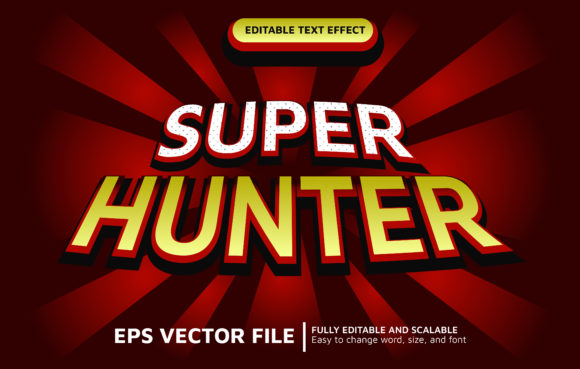
Text Effect - 3D Typography: A Powerful Tool for Creative Expression
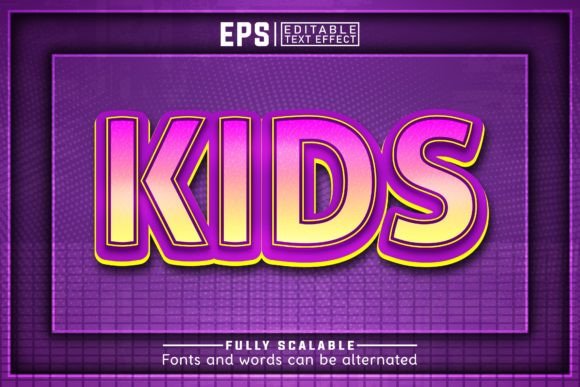
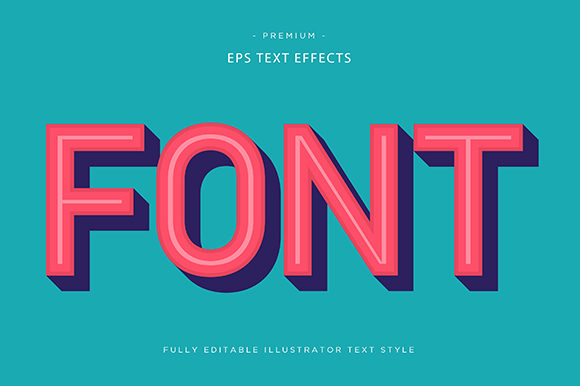
Text Effect - 3D Typography is a specialized design tool that allows users to create and manipulate three-dimensional text effects. It is particularly useful for graphic designers, marketers, and content creators who want to add depth, dimension, and visual interest to their text-based projects. Unlike traditional text formatting tools, this software enables users to apply complex 3D transformations, lighting effects, and material textures to text elements, resulting in visually striking designs.
The versatility of Text Effect - 3D Typography lies in its ability to offer both precision and creativity. Users can adjust text properties such as font style, size, and spacing while simultaneously applying 3D effects like extrusion, beveling, and shading. This makes it an ideal choice for creating logos, banners, and other visual assets that require a high level of detail and customization.
What Makes Text Effect - 3D Typography Distinct?
One of the key features that sets Text Effect - 3D Typography apart from other design tools is its focus on typography as a central element. While many graphic design applications offer 3D effects, they often prioritize overall image creation over text-specific enhancements. Text Effect - 3D Typography, on the other hand, is designed with typography at its core, allowing users to fine-tune every aspect of their text’s appearance.
The software also provides a range of layer management options, enabling users to work on multiple elements independently. This feature is especially valuable when designing complex compositions that involve several text layers or overlapping visual elements. By organizing content into separate layers, users can maintain clarity and control throughout the design process.
Another distinguishing factor is the support for EPS file formats. EPS (Encapsulated PostScript) is a widely used vector graphics format that preserves image quality at any scale. This makes Text Effect - 3D Typography a reliable choice for professionals who need high-resolution outputs for print or digital use.
Comparing Text Effect - 3D Typography with Other Options
When evaluating design tools, it’s important to consider how Text Effect - 3D Typography stacks up against alternatives. For instance, general-purpose graphic design software like Adobe Photoshop or Illustrator offers 3D text capabilities, but these are often secondary features within a broader set of tools. In contrast, Text Effect - 3D Typography is specifically tailored for typography-focused projects, offering more targeted functionality and streamlined workflows.
For users who prefer a more intuitive interface, tools like Canva or Figma provide drag-and-drop design capabilities that simplify the creation of visual content. However, these platforms typically lack the advanced 3D text manipulation features found in Text Effect - 3D Typography. If a project requires intricate 3D text effects, these alternatives may not be sufficient.
On the other hand, dedicated 3D modeling software such as Blender or Cinema 4D offers more comprehensive 3D capabilities. These tools are ideal for creating complex 3D scenes, but they can be overwhelming for users who only need to enhance text elements. Text Effect - 3D Typography fills a niche by providing focused, user-friendly 3D typography tools without the complexity of full-scale 3D modeling.
Strengths and Tradeoffs of Text Effect - 3D Typography
One of the primary strengths of Text Effect - 3D Typography is its ease of use. The software is designed with a clear workflow that allows users to quickly apply and adjust 3D effects. This makes it accessible to both beginners and experienced designers who want to enhance their text-based projects efficiently.
Another advantage is the flexibility it offers in terms of customization. Users can experiment with different materials, lighting conditions, and camera angles to achieve unique visual results. This level of control is particularly beneficial for designers who want to create distinctive branding elements or eye-catching promotional materials.
However, there are some tradeoffs to consider. For example, while Text Effect - 3D Typography excels at text manipulation, it may not be the best choice for projects that require extensive image editing or animation. Users who need a more versatile tool might find themselves switching between multiple applications to complete their work.
Additionally, the reliance on EPS files means that users must ensure compatibility with other design programs. While EPS is a standard format, some tools may not support all features, which could limit the flexibility of the final output.
Best Fit Situations for Text Effect - 3D Typography
Text Effect - 3D Typography is most effective in scenarios where typography plays a central role. This includes logo design, title sequences, and marketing materials that require a strong visual presence. Its ability to produce high-quality 3D text makes it an excellent choice for projects that demand attention to detail and a professional finish.
For instance, a designer working on a corporate identity package might use Text Effect - 3D Typography to create a custom 3D logo that stands out on business cards, websites, and presentations. Similarly, a filmmaker looking to design a movie title sequence could leverage the software’s lighting and material settings to craft a dramatic, immersive effect.
Users who frequently work with EPS files will also appreciate the software’s compatibility with this format. This is particularly useful for print projects, where maintaining high resolution and scalability is essential.
When to Consider Alternatives
While Text Effect - 3D Typography is powerful, it may not be the right fit for every project. For example, if a user needs to create a fully animated video or a complex 3D scene, they may benefit more from using a dedicated 3D animation tool. These programs offer more advanced features for motion graphics and environmental design, which are beyond the scope of Text Effect - 3D Typography.
Similarly, users who prioritize speed and simplicity over detailed customization might find that other tools better suit their needs. For quick design tasks, such as creating social media posts or simple banners, a more straightforward platform could be more efficient.
It’s also worth considering the learning curve associated with Text Effect - 3D Typography. While the software is user-friendly, mastering its advanced features may require time and practice. Users who are new to 3D design might benefit from starting with simpler tools before transitioning to more specialized software.
Practical Examples and Use Cases
Consider a scenario where a small business owner wants to create a promotional banner for a new product launch. Using Text Effect - 3D Typography, they can design a bold, 3D headline that draws attention and conveys a sense of excitement. The ability to adjust lighting and shadows adds depth, making the text stand out against the background.
In another example, a web designer might use Text Effect - 3D Typography to create a visually engaging hero section for a client’s website. By incorporating 3D text effects, they can enhance the user experience and make the site more memorable. The option to export in EPS ensures that the design remains scalable and adaptable across different screen sizes.
For educational purposes, a teacher or trainer might use the software to create instructional materials with enhanced visual appeal. Whether designing a presentation slide or a classroom poster, the ability to customize text effects can make information more engaging and easier to understand.
Making an Informed Decision
When deciding whether to use Text Effect - 3D Typography, it’s important to assess the specific needs of your project. If your work revolves around typography and requires high-quality 3D text effects, this tool can be a valuable asset. However, if your design requirements extend beyond text manipulation, you may need to explore other options.
Ultimately, the choice depends on your goals, skill level, and the complexity of your design tasks. By understanding the strengths and limitations of Text Effect - 3D Typography, you can make a more informed decision about whether it aligns with your creative or professional needs.