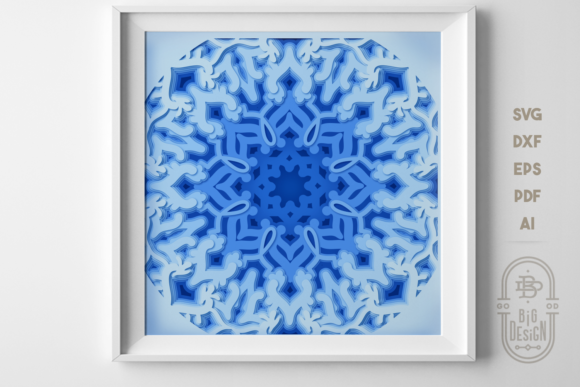
Unlocking Depth: A Comprehensive Guide to the 3D Mandala Shadow Box SVG File
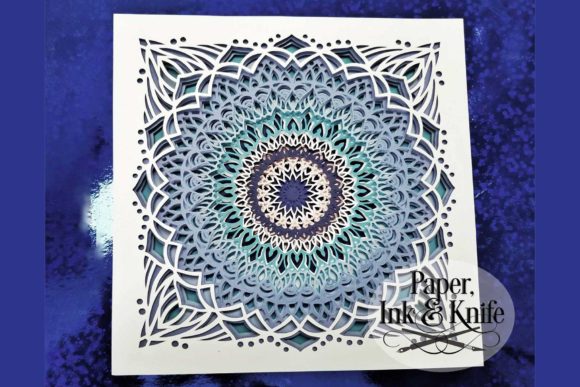
The intersection of traditional geometric art and modern digital fabrication has given rise to a stunning visual trend: the layered shadow box. At the heart of this movement is the 3D MANDALA, Shadow Box SVG File, a digital asset designed to transform flat vector graphics into tangible, multi-dimensional sculptures. This specific design, identified as Model No203, represents a sophisticated approach to paper crafting and laser cutting, utilizing seven distinct layers to create profound depth and intricate shadow play. For creators ranging from hobbyists to professional product designers, understanding the mechanics, applications, and technical requirements of such files is essential for maximizing their potential in both personal projects and commercial ventures.
The Architecture of Depth: Understanding the 7-Layer Composition
The defining characteristic of Model No203 is its construction. Unlike standard 2D vectors intended for single-color cutting or printing, this 3D Layered Mandala is engineered specifically for stacking. The design comprises exactly seven layers, each meticulously calculated to interlock visually when assembled. In the realm of shadow box art, the number of layers directly correlates to the perceived depth and the complexity of the light interaction. With seven tiers, this model allows for a gradual transition from the foreground to the background, creating a tunnel-like effect that draws the viewer's eye inward.
Each layer in the 3D SVG for Shadow Boxes Projects serves a specific structural and aesthetic purpose. The frontmost layers typically feature bolder, more open shapes to frame the composition, while the inner layers become increasingly intricate, culminating in a detailed center point. This gradation is not accidental; it is a result of precise vector pathing designed to maintain structural integrity when cut from materials like cardstock, wood, or acrylic. When light hits these stacked layers, it casts shadows across the varying depths, enhancing the three-dimensional illusion. The result is a dynamic piece of art that changes appearance depending on the angle of illumination, a quality that static 2D images simply cannot replicate.
Technical Specifications and File Versatility
For professionals and educators integrating digital files into their workflows, compatibility is paramount. The utility of a digital download is often limited by the software available to the user. Model No203 addresses this challenge by providing a comprehensive suite of file formats within a single ZIP archive. The package includes two SVG files, ensuring compatibility with web-based cutting machines and design software like Cricut Design Space or Silhouette Studio. Additionally, the inclusion of two DXF files caters to users working with CAD software or older cutting plotters that require exchange formats.
Beyond the cutting machine ecosystem, the file set supports professional graphic design workflows through the inclusion of two EPS files and two AI (Adobe Illustrator) files. These formats are industry standards for vector editing, allowing graphic designers to modify anchor points, adjust line weights, or integrate the mandala elements into larger branding projects. Furthermore, the presence of a PDF model ensures that the design can be viewed, printed, or shared easily without specialized vector software. This diversity in file types underscores the versatility of the 3D MANDALA, Shadow Box SVG File, making it accessible to a broad spectrum of users regardless of their preferred technological stack.
It is crucial to note that this is strictly a DIGITAL DOWNLOAD. No physical items, such as pre-cut paper or assembled boxes, are included in the purchase. The value lies entirely in the data—the mathematical paths that guide the cutting tools. Users must possess the appropriate hardware, such as a laser cutter, CNC machine, or electronic die-cutting machine, along with the necessary software to interpret these files. This distinction is vital for consumers who may be new to the world of digital fabrication, ensuring they understand that the creative execution relies on their own equipment and material choices.
Material Selection and Assembly Considerations
The final aesthetic of a 3D Layered Mandala is heavily influenced by the materials chosen for construction. While the digital file provides the blueprint, the physical medium dictates the texture, weight, and shadow quality. Cardstock remains the most popular choice for beginners and intermediate crafters due to its affordability and ease of cutting. A standard 65lb to 80lb cardstock offers enough rigidity to hold its shape between spacer layers without warping. However, for a more premium finish, professionals often opt for specialty papers, such as metallic foils, textured linens, or even thin basswood sheets if using a high-powered laser cutter.
Assembly requires precision. To achieve the intended 3D effect, spacers must be placed between each of the seven layers. These spacers, often made from foam tape or strips of the same material being used, create the physical gap that allows shadows to form. The thickness of the spacer determines the intensity of the shadow; thicker spacers create deeper, more dramatic shadows, while thinner spacers result in a subtler relief effect. When working with Model No203, consistency in spacing is key to maintaining the symmetry of the mandala. Irregular spacing can distort the geometric pattern, breaking the hypnotic visual flow that defines mandala art.
Lighting plays an equally critical role in the presentation of the finished piece. A Shadow Box SVG File is designed to interact with light. Placing the assembled mandala in a deep frame with a backlight source can transform it into a luminous decorative piece, highlighting the negative space and intricate cutouts. Alternatively, frontal lighting at an acute angle emphasizes the texture and the physical separation of the layers. Educators teaching principles of light and shadow can use this project to demonstrate how physical depth alters visual perception, making it a valuable tool for STEM and art curriculums alike.
Applications Across Industries and Creative Fields
The utility of the 3D MANDALA, Shadow Box SVG File extends far beyond simple home decor. For small business owners and Etsy sellers, this file represents a scalable product opportunity. Because the file is digital, it can be cut repeatedly with minimal marginal cost after the initial investment in materials. Entrepreneurs can create custom wedding invitations, where the layered mandala serves as an elegant belly band or a standalone keepsake. The ability to customize colors and materials allows for endless variations, catering to specific wedding themes or corporate branding colors.
In the educational sector, this project serves as an excellent introduction to geometry and spatial reasoning. Students can analyze the symmetry inherent in the mandala design, exploring concepts of radial balance and repetition. By assembling the seven layers, learners engage in fine motor skill development and sequential thinking. Researchers studying the therapeutic benefits of crafting may also find value in the repetitive, meditative nature of assembling such intricate patterns. The process of aligning layers and adhering them carefully requires focus and patience, qualities often associated with mindfulness practices.
Interior designers and architects might utilize the 3D SVG for Shadow Boxes Projects concept for custom wall installations. By scaling the design up and using durable materials like metal or thick acrylic, these mandalas can serve as striking focal points in lobbies, spas, or residential living rooms. The interplay of light and shadow adds a dynamic element to static walls, changing the atmosphere of a room throughout the day as natural light shifts. This adaptability makes the 7-layer mandala a versatile component in modern interior design schemes that prioritize texture and depth.
Workflow Optimization for Digital Fabrication
To maximize efficiency when using Model No203, creators should adopt a streamlined workflow. Upon downloading the ZIP file, the first step is to extract all contents to a dedicated folder. It is advisable to review the PDF model first to visualize the layer order and assembly sequence. Next, import the appropriate file format (SVG or DXF) into your cutting software. Before committing to expensive materials, always perform a test cut on scrap paper. This step verifies that the blade depth, pressure, and speed settings are optimized for your specific machine and material combination.
Organization during the cutting process is critical, especially with a seven-layer design. As each layer is cut, label it immediately according to its position in the stack (e.g., Layer 1 through Layer 7). Misplacing a layer can lead to confusion during assembly, potentially ruining the symmetry of the final piece. Some creators find it helpful to keep the layers attached to their cutting mats until all pieces are ready, preventing loss of small, intricate details. Once all components are weeded and prepared, the assembly phase begins. Using tweezers for small inner details and a bone folder for crisp creases can significantly enhance the professional quality of the final output.
Furthermore, understanding the limitations of your equipment is part of the expertise required for successful fabrication. Intricate details in the inner layers of the mandala may require a finer point blade or a higher resolution setting on a laser cutter. If a machine struggles with the complexity of the inner vectors, slight simplifications may be necessary, though this should be done with caution to preserve the design's integrity. The 3D MANDALA, Shadow Box SVG File is designed with standard manufacturing tolerances in mind, but individual machine calibration varies. Continuous testing and adjustment are hallmarks of a skilled fabricator.
The Evolution of Digital Craft Assets
The availability of high-quality files like Model No203 signifies a shift in how creative assets are consumed and utilized. In the past, creating a 7-layer mandala would require hours of manual drafting and cutting. Today, the democratization of design through digital downloads allows individuals to access professional-grade patterns instantly. This shift empowers creators to focus on the execution and customization aspects of their projects rather than the initial design phase. It fosters a community where sharing techniques, material hacks, and finished results becomes a primary mode of learning and inspiration.
However, with this accessibility comes the responsibility of respecting intellectual property and usage rights. While the file allows for the creation of physical goods for sale, the digital file itself usually remains the property of the designer. Users must adhere to licensing agreements regarding the redistribution of the raw SVG, DXF, or AI files. This distinction ensures that designers are compensated for their expertise while allowing makers to profit from their labor and material costs. It creates a sustainable ecosystem where high-quality designs continue to be produced and refined.
Ultimately, the 3D Layered Mandala is more than just a collection of vector paths; it is a bridge between digital precision and tactile artistry. Whether used for a relaxing weekend project, a classroom lesson on geometry, or a thriving small business inventory, the potential of this 7-layer design is vast. By mastering the technical requirements, selecting appropriate materials, and understanding the nuances of light and shadow, creators can unlock the full potential of the 3D MANDALA, Shadow Box SVG File. The result is a timeless piece of art that celebrates the beauty of symmetry and the magic of dimension.